
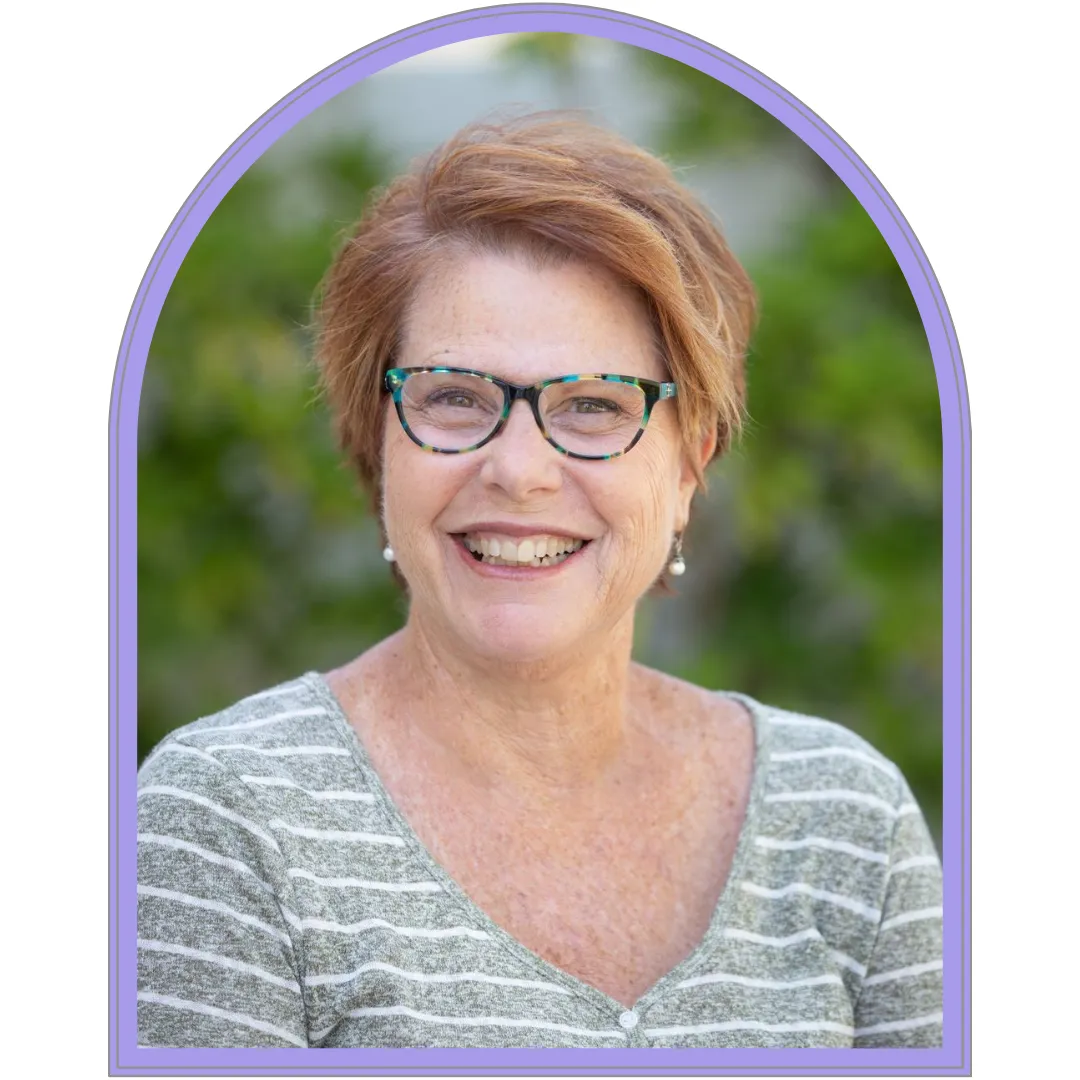
Meet Your Puberty Coach
Embark on an exhilarating journey through the wild world of parenting alongside the indomitable Leslie Dixon!
From her days as a school nurse to her transformation into a SUPERHERO PUBERTY COACH , Leslie understands that traversing those cringe-worthy conversations with your little ones can feel akin to a heart-pounding rollercoaster ride.
Step into the electrifying community of
Birds & Bees Connection, where we specialize in turning the "uncomfortable" into the "unbelievably fun"!
With Leslie leading the charge, we're here to embrace the quirks, share in the giggles, and champion the growth that comes with navigating puberty.
Strap in, because puberty's one heck of a wild ride, and with Leslie and our community by your side, you'll never have to brave it alone!
Popular Courses

Join us for a 2 1/2-hour mother/daughter puberty celebration where we turn "uncomfy" into "unbelievably fun" with activities, laughs, and bonding moments. Preparation for periods becomes an interactive experience, never to be forgotten.
Join us where we embrace puberty with excitement-book your spot now!
Join us for a 2 1/2-hour journey with your daughter, during which we’ll transform the period and puberty talk from “uncomfy” to a fun, interactive experience! We create girl power with laughter and bonding moments. Plus, each girl crafts her own special period kit!
Join us as we embrace this milestone with Joy and celebration-book your spot now!
Join us for a parent-tween session where we tackle electronics together! Navigate social media head-on with expert tips and engaging activities. Equip your tween for future challenges while feeling confident in your role as a parent. Reserve your spot now!

Dreading “the talk?” Let’s change that! Parents say goodbye to fear and hello to relief in a setting that empowers both you and your tween and turns “uncomfy” into “comfortable!” We wrap up the class with a powerful activity that sets the stage for future conversations-book your spot now!
Client Testimonials
Importance of COMMUNICATION
Follow Leslie on social media
and dive deeper into her world and discover firsthand the incredible work she does.
(949) 394-1556
info@leslie-dixon.com
Facebook
Instagram
LinkedIn